Introduction
Aluminum solar mounting rails are widely used in modern photovoltaic (PV) installations because of their lightweight construction, corrosion resistance, and installation flexibility. As solar projects expand across residential, commercial, and industrial applications, choosing reliable mounting components is essential for long-term system performance.
This article explores the key advantages of aluminum solar mounting rails and explains why they remain a popular choice for solar installers, EPC contractors, and project developers.
 1. Lightweight Design for Easier Installation
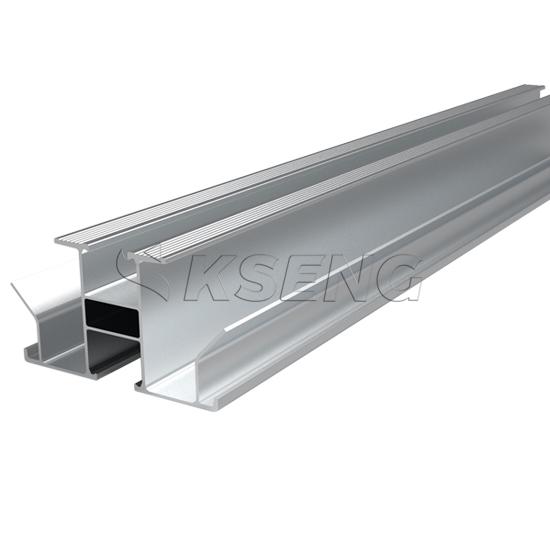
One of the main advantages of aluminum solar mounting rails is their low weight. Compared with many steel alternatives, aluminum rails are easier to handle, transport, and position during installation.
Their lightweight construction can reduce labor requirements and simplify rooftop installation. It can also help limit the additional dead load placed on a roof, although the complete mounting system must still meet structural load requirements.
2. Excellent Corrosion Resistance
Aluminum naturally forms a thin oxide layer that helps protect its surface from corrosion. This property makes aluminum solar rails suitable for many outdoor environments, including locations exposed to humidity and rainfall.
1. Lightweight Design for Easier Installation
One of the main advantages of aluminum solar mounting rails is their low weight. Compared with many steel alternatives, aluminum rails are easier to handle, transport, and position during installation.
Their lightweight construction can reduce labor requirements and simplify rooftop installation. It can also help limit the additional dead load placed on a roof, although the complete mounting system must still meet structural load requirements.
2. Excellent Corrosion Resistance
Aluminum naturally forms a thin oxide layer that helps protect its surface from corrosion. This property makes aluminum solar rails suitable for many outdoor environments, including locations exposed to humidity and rainfall.
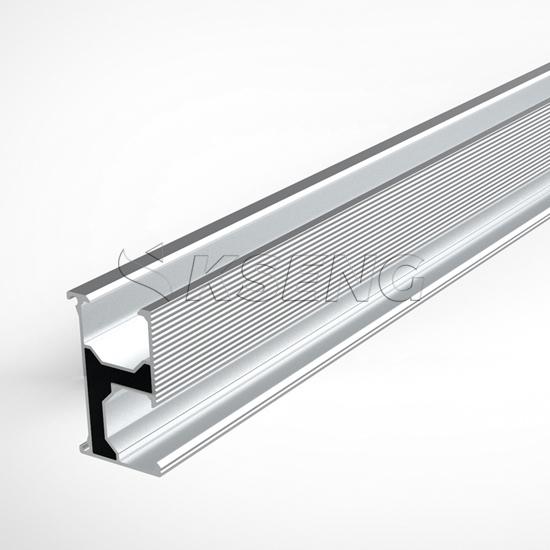 For enhanced durability, appropriate aluminum alloys and surface treatments, such as anodizing, can be selected according to project requirements.
In coastal or highly corrosive environments, material grade, surface treatment, fastener compatibility, and maintenance requirements should be evaluated carefully.
3. High Strength-to-Weight Ratio
Although aluminum is lightweight, properly designed aluminum profiles can provide sufficient strength for a wide range of solar mounting applications.
Extruded rail profiles can be engineered to achieve the required load-bearing capacity while maintaining efficient material use. Rail dimensions, wall thickness, support spacing, and connection design should be determined through structural calculations based on project-specific wind and snow loads.
This balance of weight and structural performance makes aluminum rails a practical option for many PV installations.
4. Flexible Design and Broad Compatibility
Aluminum solar panel mounting rails can be manufactured in different shapes, sizes, and lengths to meet various installation requirements.
They are commonly used with compatible roof brackets, mid clamps, end clamps, and other mounting accessories. Custom rail profiles can also accommodate different solar panel dimensions and mounting configurations.
This flexibility helps manufacturers develop mounting solutions for residential rooftops, commercial buildings, and selected ground-mounted solar projects.
5. Efficient Transportation and Material Processing
The lightweight properties of aluminum rails can simplify packaging, handling, and transportation. Aluminum extrusion also allows manufacturers to produce profiles with specific cross-sectional designs.
For enhanced durability, appropriate aluminum alloys and surface treatments, such as anodizing, can be selected according to project requirements.
In coastal or highly corrosive environments, material grade, surface treatment, fastener compatibility, and maintenance requirements should be evaluated carefully.
3. High Strength-to-Weight Ratio
Although aluminum is lightweight, properly designed aluminum profiles can provide sufficient strength for a wide range of solar mounting applications.
Extruded rail profiles can be engineered to achieve the required load-bearing capacity while maintaining efficient material use. Rail dimensions, wall thickness, support spacing, and connection design should be determined through structural calculations based on project-specific wind and snow loads.
This balance of weight and structural performance makes aluminum rails a practical option for many PV installations.
4. Flexible Design and Broad Compatibility
Aluminum solar panel mounting rails can be manufactured in different shapes, sizes, and lengths to meet various installation requirements.
They are commonly used with compatible roof brackets, mid clamps, end clamps, and other mounting accessories. Custom rail profiles can also accommodate different solar panel dimensions and mounting configurations.
This flexibility helps manufacturers develop mounting solutions for residential rooftops, commercial buildings, and selected ground-mounted solar projects.
5. Efficient Transportation and Material Processing
The lightweight properties of aluminum rails can simplify packaging, handling, and transportation. Aluminum extrusion also allows manufacturers to produce profiles with specific cross-sectional designs.
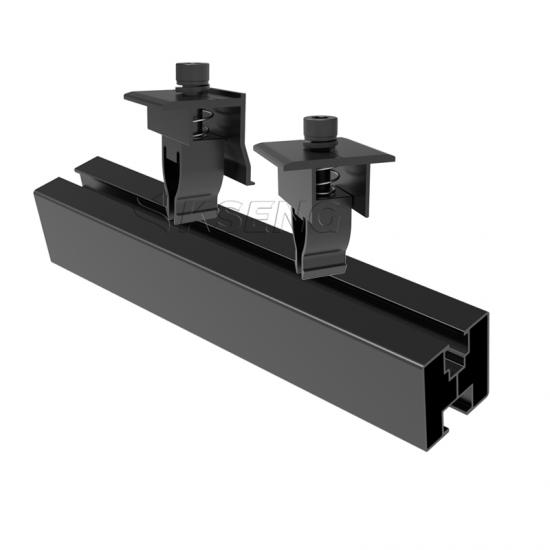 Precise cutting, drilling, and machining can help improve dimensional consistency and assembly efficiency. When combined with standardized components and suitable packaging, these manufacturing advantages can reduce installation difficulties and material waste.
6. Long-Term Value and Low Maintenance
Aluminum solar mounting rails can provide long-term value through corrosion resistance, low weight, and relatively straightforward maintenance.
However, total project cost depends on more than the initial material price. Buyers should consider profile specifications, manufacturing quality, transportation, installation labor, fastener compatibility, and expected service life.
Regular inspections remain important to identify loose connections, surface damage, or other issues that could affect system reliability.
7. Suitable for Various Solar Applications
Aluminum solar mounting rails are widely used in residential and commercial rooftop PV systems. Their lightweight design makes them easy to handle and install, helping improve construction efficiency while reducing transportation and labor costs.
Precise cutting, drilling, and machining can help improve dimensional consistency and assembly efficiency. When combined with standardized components and suitable packaging, these manufacturing advantages can reduce installation difficulties and material waste.
6. Long-Term Value and Low Maintenance
Aluminum solar mounting rails can provide long-term value through corrosion resistance, low weight, and relatively straightforward maintenance.
However, total project cost depends on more than the initial material price. Buyers should consider profile specifications, manufacturing quality, transportation, installation labor, fastener compatibility, and expected service life.
Regular inspections remain important to identify loose connections, surface damage, or other issues that could affect system reliability.
7. Suitable for Various Solar Applications
Aluminum solar mounting rails are widely used in residential and commercial rooftop PV systems. Their lightweight design makes them easy to handle and install, helping improve construction efficiency while reducing transportation and labor costs.
With flexible profile designs and compatibility with various mounting accessories, aluminum rails can meet the needs of different rooftop layouts and solar panel configurations. Their combination of durability, installation convenience, and structural performance makes them a practical choice for modern solar mounting systems.
Conclusion
Aluminum solar mounting rails remain popular in modern PV installations because of their lightweight design, corrosion resistance, strength-to-weight ratio, and flexible manufacturing options.
When properly specified and engineered, they can provide reliable support for solar panels across a wide range of applications. Selecting high-quality aluminum rails that meet project-specific structural and environmental requirements helps improve installation efficiency and long-term solar mounting system performance.
FAQs
1. Why are aluminum solar mounting rails widely used?
They offer lightweight construction, corrosion resistance, flexible profile designs, and convenient installation for many PV projects.
2. Are aluminum solar mounting rails suitable for outdoor use?
Yes. Aluminum naturally resists corrosion, while suitable alloys and surface treatments can further support outdoor durability.
3. What surface treatments are available for aluminum solar rails?
Anodizing is a common surface treatment that enhances surface durability and corrosion resistance. The appropriate treatment depends on the aluminum alloy, installation environment, and project requirements.
4. Are aluminum solar panel mounting rails easy to cut and process?
Yes. Aluminum profiles can be cut, drilled, and machined using suitable equipment. Accurate processing helps ensure proper component alignment and efficient on-site installation.
5. How should buyers choose aluminum solar mounting rails?
Evaluate aluminum alloy, profile dimensions, load-bearing capacity, surface treatment, panel compatibility, manufacturing quality, and total project cost.



 IPv6-Netzwerk unterstützt