Meta-Beschreibung
Wie stellt man die langfristige Zuverlässigkeit von Solar-Montagehalterungen sicher?
Solar-Montagehalterungen sind eine kritische Komponente jedes Photovoltaik-(PV)-Systems. Während Solarmodule Strom erzeugen, sorgt das Solar-Montagesystem (PV-Montagestruktur / Solar-Racking-System) dafür, dass die Module während ihrer gesamten Lebensdauer sicher befestigt, korrekt ausgerichtet und strukturell stabil bleiben.
Ein gut konzipiertes Solar-Montagesystem verbessert die Sicherheit, erhöht die Energieausbeute und reduziert langfristige Wartungskosten. Daher ist die Sicherstellung langfristiger Zuverlässigkeit für alle Solarprojekte essenziell, von privaten Installationen bis hin zu großen Solarparks.
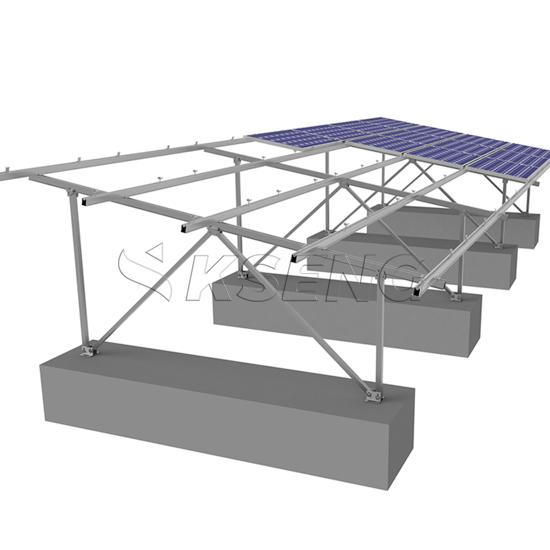
Wählen Sie die richtigen korrosionsbeständigen Materialien
Aluminium-Solar-Montagehalterungen
● Hervorragende Korrosionsbeständigkeit
● Geringes Gewicht für einfache Installation
● Hohes Verhältnis von Festigkeit zu Gewicht
● Geringer Wartungsaufwand
Eloxiertes Aluminium eignet sich besonders für feuchte, küstennahe und salzhaltige Umgebungen, in denen Korrosionsbeständigkeit entscheidend ist.
Verzinkte Stahl-Montagesysteme
● Hohe strukturelle Festigkeit
● Hohe Tragfähigkeit
● Zuverlässige mechanische Stabilität
● Kosteneffiziente Leistung für Großprojekte
Er wird häufig in Solar-Racking-Systemen eingesetzt, die eine erhöhte strukturelle Verstärkung und langfristige Haltbarkeit erfordern.
Zn-Al-Mg-beschichtete Stahlsysteme
Zn-Al-Mg (Zink-Aluminium-Magnesium)-beschichteter Stahl stellt eine fortschrittliche Materiallösung für Solar-Montagestrukturen dar.
● Überlegene Korrosionsbeständigkeit
● Selbstheilende Beschichtungsleistung
● Verlängerte Lebensdauer im Außenbereich
● Hohe strukturelle Integrität unter rauen Bedingungen
Im Vergleich zu herkömmlich verzinktem Stahl verbessert die Zn-Al-Mg-Beschichtung die Korrosionsbeständigkeit in Küstengebieten, Industriezonen und Umgebungen mit hoher Luftfeuchtigkeit erheblich und ist damit ideal für langfristige PV-Montageanwendungen.
Sicherstellen eines korrekten strukturellen Ingenieurdesigns
Ein zuverlässiges Solar-Racking-System muss so konstruiert sein, dass es langfristigen Umweltbelastungen und betrieblichen Beanspruchungen standhält.
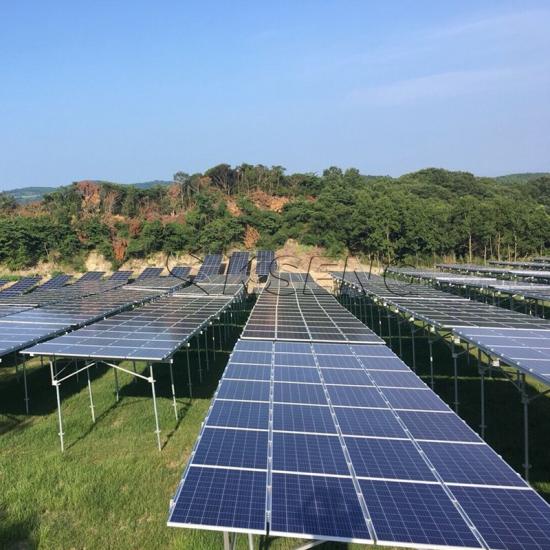
● Optimierung der PV-Modulneigung
Verwenden Sie hochwertige Befestigungselemente und Verbindungskomponenten
Jede Komponente eines Solarmontagesystems trägt zur gesamten strukturellen Stabilität und Sicherheit bei.
● die strukturelle Festigkeit zu verbessern
● Korrosionsrisiko zu verringern
● die langfristige mechanische Stabilität aufrechtzuerhalten
● das Lösen von Verbindungen unter Vibration und Last zu verhindern
Befolgen Sie professionelle Installationspraktiken
Selbst hochwertige Solarmontagehalterungen können eine geringere Leistung aufweisen, wenn die Installation nicht korrekt durchgeführt wird.
● präzise Drehmomentkontrolle beim Anziehen
● korrekte Ausrichtung der Montageschienen
● sichere strukturelle Verbindungen
● strikte Einhaltung der Installationsvorgaben
Regelmäßige Inspektion und vorbeugende Wartung
Obwohl Solarmontagesysteme für eine lange Lebensdauer ausgelegt sind, verbessert eine regelmäßige Inspektion die langfristige Zuverlässigkeit und Sicherheit erheblich.
● Festigkeit und Stabilität der Befestigungselemente
● Oberflächenkorrosionszustand
● strukturelle Verformung oder Fehlausrichtung
● Entwässerung oder Wasseransammlung
● Stabilität und Setzung des Fundaments
Design an Umweltbedingungen anpassen
Unterschiedliche Umgebungen erfordern unterschiedliche strukturelle Überlegungen für Solarmontagesysteme und Solarrackstrukturen.
Küstenumgebungen
Salzexposition erhöht das Korrosionsrisiko, wodurch Aluminium- und Zn-Al-Mg-Materialien besser für langfristige Haltbarkeit geeignet sind.
Schneereiche Gebiete
Strukturen müssen so ausgelegt sein, dass sie höheren vertikalen Lasten durch Schneelasten standhalten.
Gebiete mit starkem Wind
Verstärkte Verankerungssysteme und strukturelle Verstärkungen sind erforderlich, um die Stabilität bei starken Windlasten zu gewährleisten.
Die Anpassung an die Umwelt ist entscheidend, um die langfristige Zuverlässigkeit und Leistungskonsistenz von PV-Systemen sicherzustellen.
Langfristige Leistung von Solarmontagesystemen
Die Haltbarkeit einer "Solarmontagestrukturhängt von der kombinierten Leistung von Materialien, Ingenieurdesign, Installationsqualität und Umweltanpassung ab.
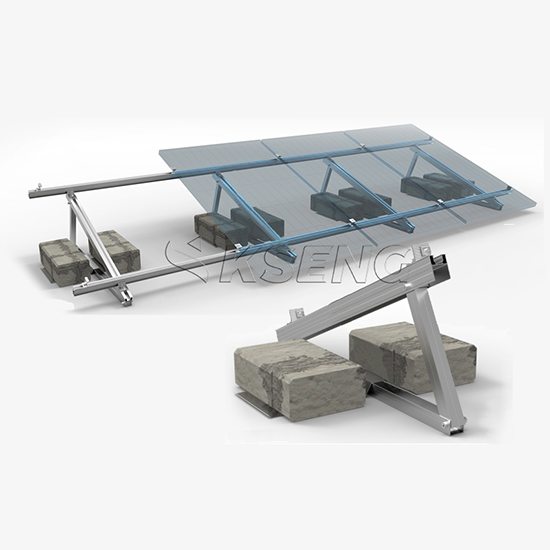
Ein gut gestaltetes PV-Montagesystem kann Folgendes gewährleisten:
● Stabile mechanische Leistung
● Langfristige Korrosionsbeständigkeit
● Konsistente strukturelle Integrität
● Zuverlässige Unterstützung der Solarmodule
Dies gewährleistet eine sichere, effiziente und stabile Solarstromerzeugung während des gesamten Lebenszyklus des Systems.
Fazit
Die Gewährleistung der langfristigen Zuverlässigkeit von Solar-Montagehalterungen erfordert eine Kombination aus hochwertigen Materialien, präziser konstruktiver Ingenieurtechnik, korrekten Installationspraktiken und Strategien zur Anpassung an die Umwelt.
Durch die Fokussierung auf Korrosionsbeständigkeit, strukturelle Festigkeit und Systemstabilität können Solarprojekte einen sichereren Betrieb, eine höhere Energieeffizienz und geringere Wartungskosten über den Lebenszyklus hinweg erreichen.
Ein zuverlässiges Solarmontagesystem ist die Grundlage einer langlebigen und leistungsstarken Photovoltaikanlage.
Häufig gestellte Fragen
Welches ist das haltbarste Material für Solarmontagehalterungen?
Aluminium, verzinkter Stahl und Zn-Al-Mg-beschichteter Stahl werden häufig verwendet. Zn-Al-Mg bietet eine überlegene Korrosionsbeständigkeit in rauen Umgebungen.
Wie lange halten Solarmontagesysteme?
Ein ordnungsgemäß ausgelegtes Solarmontagesystem kann während des gesamten Betriebslebenszyklus eines PV-Projekts eine stabile Leistung aufrechterhalten.
Warum ist Korrosionsbeständigkeit in Solarmontagesystemen wichtig?
Korrosion schwächt strukturelle Komponenten und verringert die langfristige Systemstabilität, wodurch korrosionsbeständige Materialien unerlässlich werden.
Welche Faktoren beeinflussen die Zuverlässigkeit von Solarmontagehalterungen?
Zu den Schlüsselfaktoren gehören die Materialauswahl, konstruktive Ingenieurtechnik, Installationsqualität und Umgebungsbedingungen.
Können Solarmontagesysteme extremen Wetterbedingungen standhalten?
Ja. Richtig konstruierte Systeme sind darauf ausgelegt, Wind, Schneelasten, Temperaturschwankungen und langfristige Umweltbelastungen zu widerstehen.
Tel : +86 0592-5795673
Email : info@xmkseng.com
: No.1, Xinshiqiao Rd., Xiang‘an Dist., Xiamen, Fujian, China.
: 11&12F, Huixin Wealth Centre, No. 891, Fanghu North 2nd Rd., Huli Dist., Xiamen, Fujian, China.



© 2026 Xiamen Kseng Metal Tech Co Ltd.Alle Rechte vorbehalten.
 IPv6-Netzwerk unterstützt