Introduction
Temperature variation is an important factor affecting the performance and durability of solar mounting structures. Photovoltaic (PV) mounting systems are exposed to outdoor environments and must withstand seasonal temperature changes, high temperatures, low temperatures, and repeated heating and cooling cycles.
These conditions can affect material properties, structural dimensions, connection stability, and the long-term performance of solar mounting systems. Understanding these effects helps engineers select suitable materials and develop reliable mounting structures for different climate conditions.
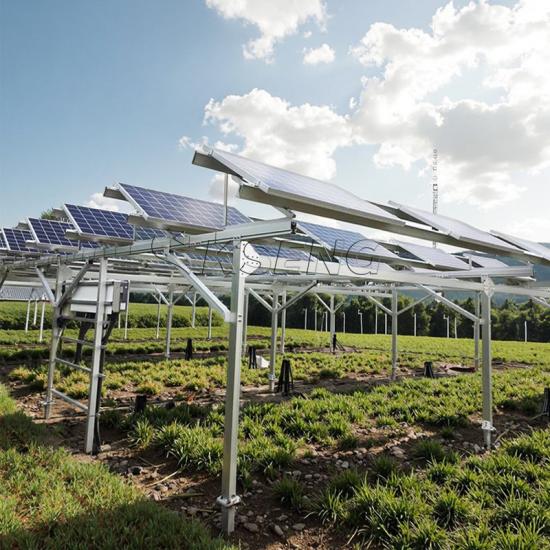
1. Thermal Expansion and Contraction
Solar mounting materials expand when temperatures rise and contract when temperatures fall. Repeated temperature changes can cause dimensional movement in mounting rails, brackets, beams, and other structural components.
If thermal movement is not properly considered during design, it may create additional stress on connections and supporting structures.
2. Material Selection and Temperature Resistance
Different materials respond differently to temperature changes. Material selection is therefore important for maintaining the structural performance of solar mounting systems.
Common materials include:
Aluminum Alloy: Lightweight and corrosion-resistant, with a relatively high coefficient of thermal expansion. Suitable connection design helps accommodate thermal movement.
Carbon Steel: Offers high structural strength and is widely used in ground mounted solar structures and solar carports.
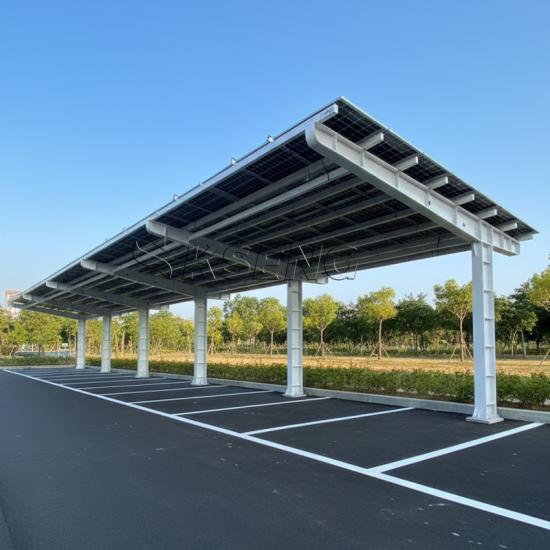
Hot Dip Galvanized Steel: Provides corrosion protection and reliable mechanical performance for outdoor applications.
Zn-Al-Mg Coated Steel: Combines steel substrate strength with enhanced corrosion resistance for outdoor solar mounting applications.
The appropriate material should be selected according to project requirements, temperature conditions, structural loads, and environmental exposure.
3. Impact of High Temperatures on Solar Mounting Structures
High temperatures can affect the mechanical properties and dimensional stability of certain materials. They can also increase thermal expansion in mounting rails and structural components.
In areas with high summer temperatures, solar mounting systems should be designed to accommodate thermal movement and maintain reliable connections.
Proper material selection, suitable fastening methods, and adequate expansion allowances help improve structural performance under hot weather conditions.
4. Impact of Low Temperatures on Structural Performance
Low temperatures can influence material toughness and reduce impact resistance in some metals. Repeated exposure to cold weather may also increase the risk of brittle behavior in unsuitable materials or components.
In cold regions, solar mounting structures should use materials with appropriate low-temperature mechanical properties.
Engineers should also consider snow loads, freezing conditions, and temperature-related dimensional changes when designing ground mounted and rooftop solar systems.
5. Connection Stability and Fastening Performance
Temperature fluctuations can cause repeated expansion and contraction around bolted connections and fastening components.
Over time, these movements may contribute to connection stress or loosening, particularly when fastening systems are improperly designed or installed.
Using suitable bolts, clamps, connectors, and fastening methods helps maintain secure connections. Proper installation torque and compatible materials are also important for long-term connection stability.
6. Corrosion Resistance Under Temperature Changes
Temperature variation often occurs together with humidity, rainfall, and condensation. These environmental conditions can increase corrosion risks, especially when metal components are exposed to moisture over extended periods.
Aluminum alloy, hot dip galvanized steel, and Zn-Al-Mg coated steel are commonly used in solar mounting systems because of their corrosion-resistant properties.
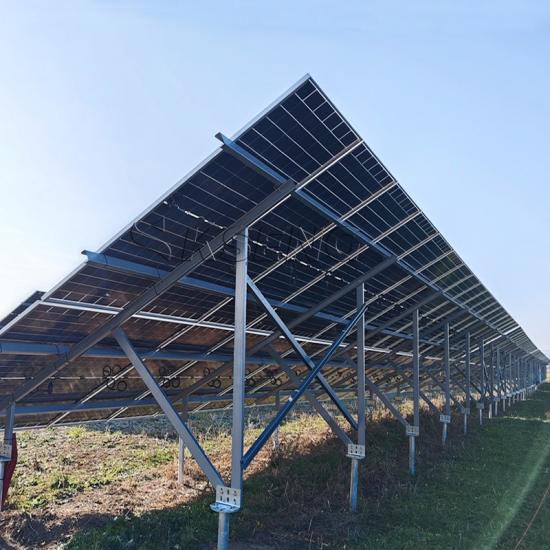
Selecting appropriate surface treatments and materials helps protect structural components and maintain their outdoor durability.
7. Design Considerations for Different Climate Conditions
Solar mounting structures should be designed according to the temperature conditions of their installation locations.
In hot regions, engineers should consider thermal expansion, material temperature limits, and connection movement. In cold regions, low-temperature toughness, snow loads, and freezing conditions require additional attention.
Suitable material selection, structural configuration, and connection design help ensure that solar mounting systems maintain reliable performance across different climate conditions.
Conclusion
Temperature variation can affect solar mounting structure performance through thermal expansion, material property changes, connection stress, and corrosion risks.
A reliable solar mounting system should account for local temperature conditions during material selection and structural design. Appropriate materials, well-designed connections, and sufficient allowance for thermal movement help improve structural stability and long-term outdoor durability.
Kseng specializes in the development and manufacturing of solar mounting systems, focusing on product quality, material performance, and structural design to provide practical mounting products for solar energy projects.
FAQs
1. How does temperature variation affect solar mounting structures?
Temperature changes cause metal components to expand and contract, potentially affecting structural dimensions, connection stability, and overall performance.
2. Which solar mounting material is suitable for high-temperature environments?
Aluminum alloy and steel materials can be used in high-temperature environments when their mechanical properties and applicable temperature limits are properly considered during design.
3. Can low temperatures affect solar mounting brackets?
Yes. Low temperatures may reduce the toughness of certain materials and increase the risk of brittle behavior, depending on material grade and operating conditions.
4. Why is thermal expansion important in solar mounting system design?
Thermal expansion can create dimensional movement and additional stress in mounting rails and connections. Proper design helps accommodate this movement.
5. How can solar mounting systems maintain performance in extreme climates?
Suitable material selection, appropriate surface treatments, reliable fastening connections, and climate-specific structural design help improve long-term performance.
Tel : +86 0592-5795673
Email : info@xmkseng.com
: No.1, Xinshiqiao Rd., Xiang‘an Dist., Xiamen, Fujian, China.
: 11&12F, Huixin Wealth Centre, No. 891, Fanghu North 2nd Rd., Huli Dist., Xiamen, Fujian, China.



© 2026 Xiamen Kseng Metal Tech Co Ltd.Alle Rechte vorbehalten.
 IPv6-Netzwerk unterstützt